


Drone technology has evolved rapidly over the past few years, and one component that significantly affects flight performance is drone blades. Whether you are a hobbyist capturing cinematic footage or a professional using drones for inspections or delivery, choosing the right drone propellers can dramatically improve speed, stability, and durability.
- Why Drone Blades Matter for Performance
- Key Features to Look for in Drone Blades
- Best Drone Blades in 2026 for Speed and Stability
- Carbon Fiber Drone Blades: Are They Worth It?
- How Drone Blades Affect Flight Time
- Tips for Choosing the Right Drone Blades
- Common Drone Blade Problems and Solutions
- Future Trends in Drone Blade Technology
- Frequently Asked Questions About Drone Blades
- Conclusion
In 2026, manufacturers have introduced advanced materials, aerodynamic designs, and optimized pitch configurations to deliver better efficiency and flight control. The right drone blades not only increase flight time but also reduce vibration, enhance maneuverability, and protect the drone’s motors.
This guide explores the best drone blades in 2026, how they impact performance, and what factors you should consider before upgrading your propellers.
Why Drone Blades Matter for Performance
Drone blades, also called propellers, generate the thrust required to lift and control a drone. Their design directly affects how efficiently a drone moves through the air.
When blades are poorly designed or damaged, drones may experience instability, excessive noise, or reduced flight time. According to a study published by the Federal Aviation Administration (FAA), propeller efficiency can influence up to 30% of a drone’s overall performance in terms of thrust and power consumption.
Key performance factors influenced by drone blades include:
More Read

- Flight stability
- Speed and agility
- Battery efficiency
- Noise reduction
- Durability in harsh environments
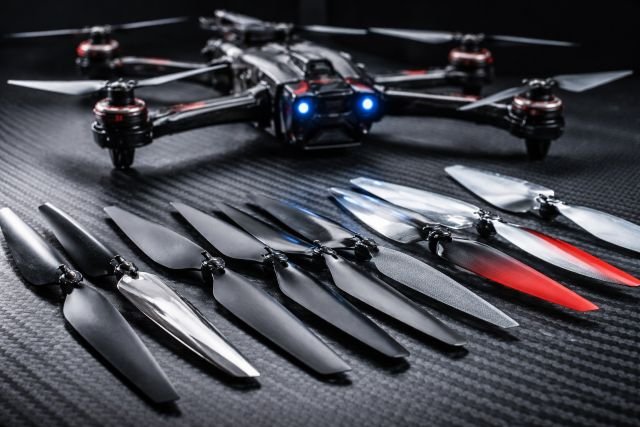
Modern carbon fiber drone blades and reinforced composite propellers are now commonly used to improve strength without increasing weight.
Key Features to Look for in Drone Blades
Before selecting the best propellers for your drone, it’s important to understand the features that determine performance.
Material Quality
High-performance drone blades are usually made from materials such as reinforced plastic, fiberglass composites, or carbon fiber. Carbon fiber blades are lighter and more durable, making them ideal for professional drone pilots.
Blade Pitch and Length
Pitch refers to the distance a blade moves forward in one rotation. Higher pitch blades provide greater speed but may reduce flight efficiency, while lower pitch blades improve stability and battery life.
Aerodynamic Design
Advanced aerodynamic designs reduce drag and turbulence, allowing drones to fly smoother and quieter. Many 2026 propellers now feature wing-tip designs inspired by aircraft technology.
Compatibility
Not every blade works with every drone model. Always ensure the propellers match your drone’s motor specifications and mounting system.
Best Drone Blades in 2026 for Speed and Stability
Drone manufacturers and accessory companies have released several high-performance propellers this year. The following selections are widely considered among the best options available.
DJI Low-Noise Quick-Release Propellers
DJI continues to dominate the drone market, and its low-noise quick-release propellers remain one of the most popular drone blades for consumer drones.
These propellers are specifically designed for DJI models like the Mavic and Air series. Their aerodynamic shape reduces noise while improving flight efficiency.
Pilots report smoother flight control and longer flight times compared to older DJI propeller models.
Master Airscrew Stealth Upgrade Propellers
Master Airscrew has built a strong reputation for manufacturing premium drone blades. The Stealth upgrade propellers are known for delivering increased thrust and quieter operation.
These blades are designed using proprietary airfoil technology that reduces turbulence. According to Master Airscrew testing, they can reduce drone noise by up to 37%.
Gemfan Hurricane Series
The Gemfan Hurricane propellers are popular among racing drone enthusiasts who prioritize speed and agility.
These blades are made from high-strength polycarbonate materials and feature optimized blade pitch for high-RPM performance.
Racing pilots often choose these propellers because they deliver powerful thrust while maintaining control during rapid maneuvers.
HQProp Durable Racing Propellers
HQProp propellers are widely used in professional drone racing competitions. Their blades are engineered to withstand crashes while maintaining consistent aerodynamic performance.
Many pilots consider HQProp among the most durable drone blades available today.
Carbon Fiber Drone Blades: Are They Worth It?
Carbon fiber propellers are becoming increasingly popular among professional drone users.
Unlike traditional plastic blades, carbon fiber blades provide greater rigidity and improved aerodynamic performance. This means less flex during rotation and more efficient thrust generation.
Advantages include:
- Higher durability
- Reduced vibration
- Increased efficiency
- Better stability during high-speed flight
However, carbon fiber blades are also more expensive and can be less forgiving during crashes. Beginners often prefer reinforced plastic propellers because they are cheaper and easier to replace.
According to research from MIT’s Department of Aeronautics, propeller rigidity can significantly improve thrust efficiency in small aircraft systems.
How Drone Blades Affect Flight Time
One of the most common questions among drone pilots is whether changing propellers can improve battery life.
The answer is yes.
Efficient drone blades reduce the amount of power required to maintain lift. When propellers generate more thrust with less resistance, the drone’s motors consume less energy.
This can lead to:
- Longer flight times
- Reduced motor strain
- Improved overall performance
Many pilots report gaining 2–4 extra minutes of flight time simply by switching to optimized propeller designs.
Tips for Choosing the Right Drone Blades
Selecting the best propellers for your drone depends on how you use it. Aerial photographers, racing pilots, and industrial drone operators all have different needs.
Here are several tips that professionals often recommend.
First, always check compatibility with your drone model. Using incorrect propellers can damage motors or reduce flight stability.
Second, consider your flight style. If you prioritize speed, choose high-pitch propellers. If you prefer stable video footage, low-pitch blades are often better.
Third, inspect propellers regularly. Even small cracks or bends can negatively affect flight performance.
Finally, always carry spare drone blades when flying in remote areas.
Common Drone Blade Problems and Solutions
Even the best propellers eventually wear out or become damaged.
Vibrations During Flight
Vibrations usually occur when blades are bent or uneven. Replacing damaged propellers typically solves the issue.
Reduced Flight Stability
If your drone suddenly becomes harder to control, the propellers may be worn or incorrectly installed.
Excessive Noise
Older or poorly balanced blades often produce more noise. Upgrading to newer low-noise propellers can reduce sound levels significantly.
Future Trends in Drone Blade Technology
The drone industry continues to innovate rapidly, and propeller technology is evolving alongside it.
Several trends are shaping the future of drone blades.
Manufacturers are experimenting with AI-optimized aerodynamic designs that improve thrust efficiency. 3D-printed composite materials are also gaining popularity because they allow for highly customized blade shapes.
Another emerging technology involves adaptive propellers that automatically adjust pitch during flight, similar to helicopter rotor systems.
These innovations could dramatically improve drone efficiency and stability over the next decade.
Frequently Asked Questions About Drone Blades
What are drone blades?
Drone blades are rotating propellers that generate lift and thrust, allowing a drone to fly and maneuver in the air.
How often should drone blades be replaced?
Most drone blades should be replaced every 200–300 flight hours or sooner if they show signs of damage such as cracks or bending.
Do better drone blades improve flight time?
Yes. High-quality drone blades reduce aerodynamic drag and improve efficiency, which can increase flight time and overall performance.
Are carbon fiber drone blades better?
Carbon fiber blades offer superior rigidity and efficiency but are usually more expensive and less crash-resistant than plastic propellers.
Conclusion
Choosing the right drone blades is one of the most effective ways to enhance your drone’s speed, stability, and durability. Advances in materials and aerodynamic design in 2026 have made modern propellers more efficient than ever before.
Whether you are flying a camera drone, racing quadcopter, or industrial UAV, upgrading to high-quality propellers can improve flight time, reduce noise, and deliver smoother control.
Before purchasing new propellers, always check compatibility, consider your flying style, and invest in durable blades that match your performance goals. With the right drone blades, your drone will perform at its full potential and provide a safer, more efficient flying experience.