



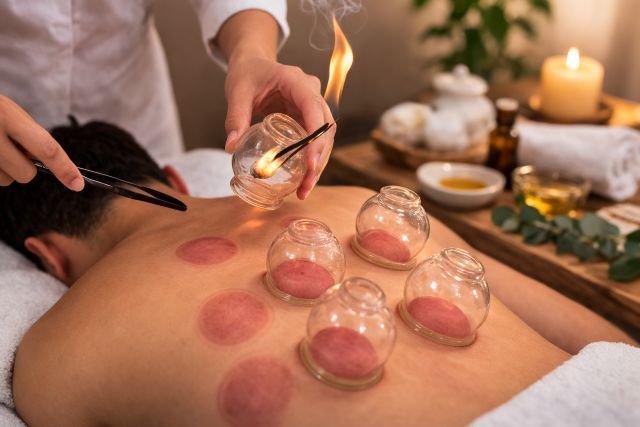
Cupping therapy has become increasingly popular in recent years, especially after Olympic athletes and celebrities began showcasing the circular marks left on their skin. But one question people frequently ask before trying it is: cupping therapy does it hurt?
- What Is Cupping Therapy?
- Cupping Therapy Does It Hurt? Understanding the Pain Level
- Why Cupping Therapy Leaves Marks but Doesn’t Usually Hurt
- Benefits of Cupping Therapy
- Possible Side Effects of Cupping Therapy
- What to Expect During a Cupping Therapy Session
- Who Should Avoid Cupping Therapy?
- Tips to Reduce Discomfort During Cupping Therapy
- Frequently Asked Questions
- Is cupping therapy painful?
- Conclusion: Cupping Therapy Does It Hurt?
The short answer is that cupping therapy is generally not painful, though it may cause mild discomfort depending on the technique used and individual sensitivity. Most people describe the sensation as a tight pulling or suction feeling rather than pain.
In this comprehensive guide, we’ll explore the pain level of cupping therapy, its health benefits, possible side effects, and what you should expect during a treatment session.
What Is Cupping Therapy?
Cupping therapy is a traditional healing practice that dates back thousands of years and has roots in Chinese, Middle Eastern, and Egyptian medicine.
During cupping therapy, a therapist places special cups on the skin to create suction. This suction pulls the skin upward and increases blood flow to the area.
There are two main types of cupping therapy:
More Read

Dry cupping uses suction alone to stimulate circulation and relieve muscle tension.
Wet cupping, also known as Hijama, involves small skin incisions before suction is applied to draw out a small amount of blood.
According to the National Center for Complementary and Integrative Health (NCCIH), cupping is commonly used to treat pain, inflammation, and musculoskeletal issues.
Cupping Therapy Does It Hurt? Understanding the Pain Level
The most common concern people have is: cupping therapy does it hurt during the procedure?
For most people, cupping therapy causes minimal discomfort rather than actual pain.
When the cup is placed on the skin, you may feel:
A strong suction sensation
A mild pulling feeling
Warmth or pressure on the skin
This sensation usually lasts 5–10 minutes, depending on the treatment.
Many patients describe it as similar to a deep tissue massage combined with gentle suction.
Pain Level by Type of Cupping
Dry cupping is typically painless and often relaxing.
Wet cupping may cause slight stinging because small incisions are made before suction is applied.
Fire cupping, where heat is used to create suction, may feel warm but should not burn when performed correctly.
A study published in the Journal of Traditional and Complementary Medicine found that most patients reported low pain levels and high satisfaction after cupping therapy sessions.
Why Cupping Therapy Leaves Marks but Doesn’t Usually Hurt
One reason people think cupping therapy might hurt is because of the dark circular marks it leaves on the skin.
These marks can look alarming, but they are not bruises caused by trauma.
Instead, they are caused by blood being drawn to the surface of the skin through suction.
According to research published by the British Cupping Society, these marks usually disappear within 3–10 days depending on your circulation and overall health.
The color of the marks can vary:
Light pink marks often indicate mild stagnation.
Dark purple marks may suggest deeper muscle tension.
Even though the marks look dramatic, they usually do not cause pain or tenderness.
Benefits of Cupping Therapy
Cupping therapy has been used for centuries to support healing and overall wellness. Modern research has begun exploring its potential health benefits.
1. Pain Relief
One of the main reasons people seek cupping therapy is for chronic pain relief.
Studies suggest it may help reduce pain associated with:
Back pain
Neck pain
Migraines
Arthritis
A systematic review published in PLOS ONE found that cupping therapy may significantly reduce chronic pain symptoms when combined with conventional treatments.
2. Improved Blood Circulation
The suction created by the cups increases blood flow to the treated area.
This improved circulation may:
Promote tissue healing
Reduce inflammation
Support muscle recovery
Athletes often use cupping therapy after intense training sessions for faster recovery.
3. Muscle Relaxation and Recovery
Cupping therapy works similarly to deep tissue massage.
The suction helps release tight muscle knots and fascia, which may reduce stiffness and improve mobility.
This is why many physiotherapists and sports therapists incorporate cupping into rehabilitation programs.
4. Stress Reduction and Relaxation
Many patients report feeling deeply relaxed after a cupping session.
The therapy may stimulate the parasympathetic nervous system, which helps the body shift into a restful and healing state.
Some people compare the experience to acupuncture or therapeutic massage.
5. Detoxification Support
In traditional medicine systems, cupping therapy is believed to help remove toxins and stagnant blood from the body.
While modern science is still studying this claim, some evidence suggests cupping may help the body’s natural detox processes by improving circulation.
Possible Side Effects of Cupping Therapy
Although cupping therapy is generally safe when performed by a trained professional, it can have some side effects.
These are usually mild and temporary.
Skin Discoloration
The most common side effect is circular marks on the skin.
These marks typically fade within one week.
Mild Skin Irritation
Some people may experience slight redness or irritation after treatment.
This usually disappears within a few hours.
Temporary Soreness
The treated area may feel tender for 24–48 hours, similar to post-massage soreness.
Infection Risk (Wet Cupping)
Wet cupping involves small skin cuts, which can increase infection risk if sterile techniques are not used.
This is why treatments should always be done by licensed professionals.
What to Expect During a Cupping Therapy Session
If you’re wondering again cupping therapy does it hurt during the actual session, understanding the process can help reduce anxiety.
A typical session follows these steps:
First, the therapist places cups on specific areas of the body such as the back, shoulders, or neck.
Next, suction is created using heat or a pump.
The cups remain on the skin for 5 to 15 minutes.
In some cases, the therapist may move the cups across the skin using oil, a technique called moving cupping.
Most sessions last 20–30 minutes.
Many people report feeling relaxed and lighter afterward.
Who Should Avoid Cupping Therapy?
Cupping therapy may not be suitable for everyone.
People who should consult a healthcare professional before trying it include:
Pregnant women
People with bleeding disorders
Individuals taking blood thinners
Patients with severe skin conditions
The Mayo Clinic recommends discussing alternative therapies with a healthcare provider before beginning treatment.
Tips to Reduce Discomfort During Cupping Therapy
If you’re worried about pain, there are several ways to make your cupping session more comfortable.
Choose a certified therapist with experience in cupping techniques.
Start with dry cupping, which is typically gentler.
Stay hydrated before and after the session.
Communicate with your therapist if the suction feels too strong.
Most practitioners can easily adjust the pressure for comfort.
Frequently Asked Questions
Is cupping therapy painful?
No, cupping therapy is generally not painful. Most people feel a pulling or tightening sensation rather than pain.
Why does cupping therapy leave dark marks?
The marks are caused by increased blood flow and suction, not injury or bruising.
How long do cupping marks last?
Cupping marks typically fade within 3 to 10 days, depending on circulation and skin type.
Is cupping therapy safe?
Yes, cupping therapy is safe when performed by trained professionals using sterile equipment.
Does wet cupping hurt more than dry cupping?
Wet cupping may cause mild discomfort because of small incisions, but the pain is usually minimal.
Conclusion: Cupping Therapy Does It Hurt?
So, cupping therapy does it hurt? In most cases, the answer is no. The sensation is usually described as a strong suction or pulling feeling rather than pain.
When performed correctly, cupping therapy can provide numerous benefits, including pain relief, improved circulation, muscle relaxation, and stress reduction. While it may leave temporary marks on the skin, these marks are harmless and fade naturally.
If you’re curious about trying cupping therapy, start with a qualified practitioner and discuss any health conditions beforehand. With proper guidance, cupping therapy can be a safe and relaxing addition to your wellness routine.