



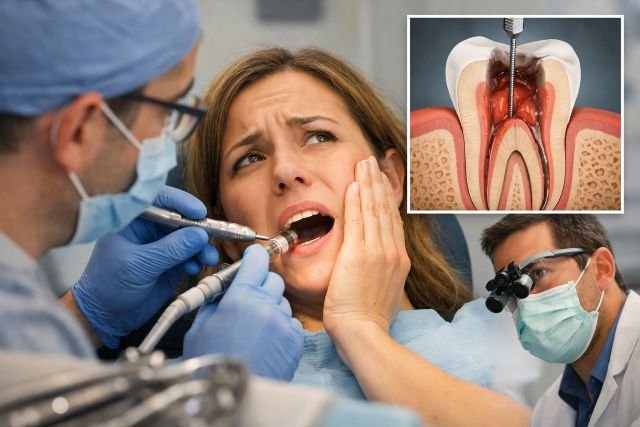
If you’re wondering does a root filling hurt, you’re not alone. This is one of the most common fears people have before visiting a dentist. The idea of drills, nerves, and dental procedures can sound intimidating — but the reality is often very different from what people imagine.
- What Is a Root Filling (Root Canal Treatment)?
- Does a Root Filling Hurt During the Procedure?
- Why Do People Think Root Fillings Hurt?
- My Honest Experience: What It Actually Felt Like
- Does a Root Filling Hurt After the Procedure?
- How Long Does the Pain Last?
- What Factors Affect Pain Levels?
- How to Reduce Pain and Anxiety Before a Root Filling
- What Happens If You Avoid a Root Filling?
- Root Filling vs Tooth Extraction: Which Hurts More?
- Expert Insight: What Dentists Say
- Frequently Asked Questions (FAQ)
- Conclusion: Does a Root Filling Hurt?
In this article, I’ll walk you through an honest, experience-based perspective along with expert-backed insights to help you understand what a root filling (root canal treatment) really feels like, how much pain is involved, and what you can expect before, during, and after the procedure.
What Is a Root Filling (Root Canal Treatment)?
A root filling, commonly known as a root canal treatment, is a dental procedure used to treat infection inside a tooth. When the pulp (the soft tissue containing nerves and blood vessels) becomes infected or damaged, the dentist removes it, cleans the inside of the tooth, and seals it.
According to the American Association of Endodontists, over 15 million root canal procedures are performed annually, and most patients report that the experience is similar to getting a regular filling — not more painful.
Does a Root Filling Hurt During the Procedure?
Let’s address the main question directly: does a root filling hurt during the procedure?
The short answer is no — thanks to modern dentistry.
More Read

Dentists use local anesthesia to completely numb the affected area. This means you should not feel pain while the procedure is being done. You might feel slight pressure or movement, but not sharp pain.
From a personal experience standpoint, the most noticeable sensation is the vibration of the dental tools rather than discomfort. Many patients are surprised that the procedure feels no worse than a standard filling.
Modern advancements such as digital imaging and precise instruments have significantly improved comfort levels. Research published in the Journal of Endodontics confirms that patient pain perception during root canal treatment is generally low when proper anesthesia is used.
Why Do People Think Root Fillings Hurt?
The fear around root fillings often comes from outdated perceptions and second-hand stories. Years ago, dental techniques and anesthetics were not as advanced as they are today.
Another reason is that people often associate the procedure with the pain caused by the infection itself. The toothache before treatment can be severe, and patients mistakenly believe the procedure will be equally painful.
In reality, the root canal treatment is what relieves that pain — not causes it.
My Honest Experience: What It Actually Felt Like
When I first needed a root filling, I was extremely anxious. Like many people, I had heard horror stories and expected a painful experience.
However, the reality was surprisingly manageable.
The numbing injection felt like a small pinch, similar to any other dental procedure. Once the anesthesia took effect, the rest of the treatment was painless. I could feel pressure and hear the instruments, but there was no real discomfort.
The most challenging part was staying still and keeping my mouth open for an extended period. Mentally, it felt longer than physically uncomfortable.
After the procedure, I experienced mild soreness for a couple of days, but it was easily controlled with over-the-counter pain relief.
Does a Root Filling Hurt After the Procedure?
While the procedure itself is usually painless, some discomfort afterward is normal.
You may experience:
Mild tenderness when chewing
Sensitivity in the treated area
Slight inflammation around the tooth
This happens because the surrounding tissues may still be healing. According to the NHS (UK National Health Service), post-treatment discomfort typically lasts a few days and gradually improves.
The pain is usually described as dull rather than sharp and is manageable with common painkillers like ibuprofen or paracetamol.
How Long Does the Pain Last?
If you’re still asking does a root filling hurt afterward, the timeline is reassuring.
Most patients feel back to normal within three to five days. In some cases, mild sensitivity can last up to a week, especially if the infection was severe before treatment.
Persistent or worsening pain is not typical and should be checked by a dentist.
What Factors Affect Pain Levels?
Not every experience is exactly the same. Several factors can influence how much discomfort you feel.
The severity of the infection plays a major role. A tooth with deep infection may lead to more post-treatment sensitivity.
Your pain tolerance also matters. Some people naturally feel more discomfort than others.
The skill and technique of the dentist can impact comfort levels. Experienced dentists and endodontists are trained to minimize pain.
Finally, anxiety levels can influence perception. Studies show that dental anxiety can heighten the sensation of pain, even when the procedure itself is not painful.
How to Reduce Pain and Anxiety Before a Root Filling
Understanding what to expect already reduces a lot of fear. But there are also practical steps you can take.
Communicating openly with your dentist is key. Let them know if you’re nervous so they can adjust the approach or provide additional comfort options.
Taking prescribed medication before the procedure (if recommended) can help reduce inflammation.
Relaxation techniques such as deep breathing can make a big difference during the appointment.
In some cases, dentists may offer sedation options for highly anxious patients.
What Happens If You Avoid a Root Filling?
Delaying treatment due to fear is common — but it can make things worse.
An untreated infection can spread, leading to severe pain, abscess formation, and even tooth loss. In rare cases, dental infections can affect overall health.
Ironically, avoiding a root filling due to fear of pain often results in more intense pain later.
Root Filling vs Tooth Extraction: Which Hurts More?
Many people consider extraction as an alternative because they think it might hurt less.
In reality, both procedures are done under anesthesia, so neither should be painful during the process.
However, recovery from extraction can be more uncomfortable and longer-lasting compared to a root filling, especially if surgical removal is required.
Saving your natural tooth with a root filling is usually the less invasive and more comfortable long-term option.
Expert Insight: What Dentists Say
Dental professionals consistently emphasize that root canal treatments are not as painful as people think.
Dr. Craig Hirschberg, President of the American Association of Endodontists, explains that modern root canal procedures are designed to relieve pain, not cause it.
Clinical studies support this. A 2015 study published in the International Endodontic Journal found that most patients reported pain levels similar to or lower than those experienced with tooth fillings.
Frequently Asked Questions (FAQ)
Does a root filling hurt more than a filling?
No, most patients report that it feels similar to a regular filling due to effective anesthesia.
Is the injection painful?
The injection may cause a brief pinch, but it lasts only a few seconds.
Can I go back to normal activities after a root filling?
Yes, most people resume normal activities the same day, although you may want to avoid chewing on the treated side initially.
What if I feel pain during the procedure?
You should inform your dentist immediately. Additional anesthesia can be applied to ensure comfort.
Is it normal to feel nervous?
Absolutely. Dental anxiety is very common, and dentists are trained to help manage it.
Conclusion: Does a Root Filling Hurt?
So, does a root filling hurt?
The honest answer is that it’s far less painful than most people expect. Thanks to modern dental techniques and anesthesia, the procedure itself is usually painless. Any discomfort afterward is mild, temporary, and manageable.
In fact, the treatment is designed to eliminate the pain caused by infection — not create it.
If fear has been holding you back, understanding the reality can make a huge difference. A root filling is not something to dread — it’s something that can bring real relief and protect your long-term dental health.