



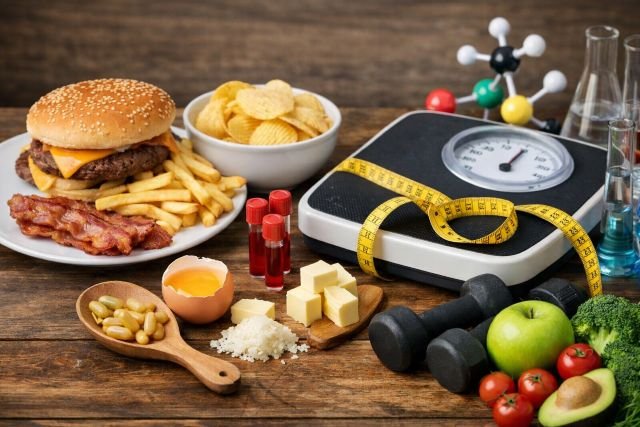
Many people wonder: does high cholesterol cause weight gain, or is it the other way around? Cholesterol and body weight are closely related, but the relationship is often misunderstood.
- Understanding Cholesterol: The Basics
- Does High Cholesterol Cause Weight Gain?
- Why High Cholesterol and Weight Gain Often Happen Together
- Can Cholesterol Medications Cause Weight Gain?
- Can Weight Gain Increase Cholesterol?
- The Role of Diet in Cholesterol and Weight
- Hormones, Metabolism, and Cholesterol
- Can Losing Weight Lower Cholesterol?
- Practical Tips to Manage Cholesterol and Weight
- Frequently Asked Questions
- Final Thoughts: Does High Cholesterol Cause Weight Gain?
In reality, high cholesterol itself does not directly cause weight gain. However, the lifestyle factors that lead to high cholesterol — such as poor diet, lack of physical activity, and metabolic imbalances — can also contribute to gaining weight. This overlap often makes people assume cholesterol is the cause.
In this article, we’ll explore the scientific relationship between cholesterol and body weight, explain what actually leads to weight gain, and discuss how you can manage both cholesterol and weight effectively.
Understanding Cholesterol: The Basics
Before answering “does high cholesterol cause weight gain?”, it’s important to understand what cholesterol actually is.
Cholesterol is a waxy, fat-like substance found in your blood. Your body needs it to build cells, produce hormones, and make vitamin D. Cholesterol travels through the bloodstream in particles called lipoproteins.
The two most commonly discussed types include:
More Read

LDL (Low-Density Lipoprotein) – Often called “bad cholesterol” because high levels can lead to plaque buildup in arteries.
HDL (High-Density Lipoprotein) – Known as “good cholesterol” because it helps remove excess cholesterol from the bloodstream.
According to the American Heart Association, high levels of LDL cholesterol significantly increase the risk of heart disease and stroke.
While cholesterol affects cardiovascular health, it does not directly control body fat or body weight.
Does High Cholesterol Cause Weight Gain?
The Short Answer
No, high cholesterol does not directly cause weight gain.
However, the two conditions often occur together because they share similar causes. Many people who gain weight develop high cholesterol due to lifestyle factors like diet and inactivity.
What Science Says
Research consistently shows that weight gain tends to raise cholesterol levels, not the other way around.
A study published in the Journal of the American College of Cardiology found that increased body fat, especially visceral fat, raises LDL cholesterol and triglyceride levels while lowering HDL cholesterol.
In other words:
Weight gain → metabolic changes → higher cholesterol.
This explains why people often confuse correlation with causation.
Why High Cholesterol and Weight Gain Often Happen Together
Even though cholesterol itself does not cause weight gain, several overlapping factors connect the two.
1. Diet High in Saturated and Trans Fats
Foods that raise cholesterol often contain excess calories.
Examples include:
Processed foods
Fried foods
Fatty cuts of meat
Full-fat dairy products
A diet high in these foods can simultaneously increase LDL cholesterol and contribute to weight gain.
2. Sedentary Lifestyle
Physical inactivity lowers HDL cholesterol and slows metabolism.
When the body burns fewer calories than it consumes, weight gain becomes more likely.
The Centers for Disease Control and Prevention (CDC) notes that regular physical activity can raise HDL cholesterol and help maintain healthy body weight.
3. Insulin Resistance and Metabolic Syndrome
Another key link between cholesterol and weight is metabolic syndrome.
Metabolic syndrome includes:
High cholesterol
High blood pressure
Abdominal obesity
High blood sugar
These conditions often occur together due to insulin resistance.
A report from the National Institutes of Health (NIH) highlights that metabolic syndrome significantly increases the risk of cardiovascular disease and type 2 diabetes.
Can Cholesterol Medications Cause Weight Gain?
Some people worry that cholesterol medications might lead to weight gain.
Statins and Weight
Statins are the most commonly prescribed cholesterol-lowering drugs.
Research shows that statins do not directly cause weight gain. However, some people may gain weight because they become less strict about diet after starting medication.
A study in JAMA Internal Medicine found that patients taking statins tended to consume more calories over time compared to non-users.
This phenomenon is sometimes called “risk compensation.”
People may feel protected by medication and loosen lifestyle habits.
Can Weight Gain Increase Cholesterol?
Yes, this relationship is much clearer.
Weight gain—especially abdominal fat—can significantly increase cholesterol levels.
Extra body fat affects how the body processes lipids and can lead to:
Higher LDL cholesterol
Higher triglycerides
Lower HDL cholesterol
According to Harvard Health Publishing, losing just 5–10% of body weight can significantly improve cholesterol levels.
This shows that weight management plays a major role in controlling cholesterol.
The Role of Diet in Cholesterol and Weight
Diet is one of the strongest factors affecting both cholesterol and body weight.
Certain foods promote healthy cholesterol levels while helping with weight control.
Heart-Healthy Foods
Foods rich in fiber and healthy fats can reduce LDL cholesterol.
Examples include:
Oats and whole grains
Avocados
Nuts and seeds
Olive oil
Fatty fish like salmon
These foods also improve satiety, helping prevent overeating.
Foods That Raise Cholesterol and Weight
Highly processed foods can increase both LDL cholesterol and calorie intake.
Common culprits include:
Sugary beverages
Refined carbohydrates
Fast food
Processed meats
Reducing these foods can help improve both cholesterol levels and body composition.
Hormones, Metabolism, and Cholesterol
Another reason people ask “does high cholesterol cause weight gain?” is because of hormonal interactions.
Cholesterol itself is used to produce hormones like:
Estrogen
Testosterone
Cortisol
However, high cholesterol does not automatically lead to hormonal imbalance.
Instead, conditions like hypothyroidism can cause both weight gain and elevated cholesterol levels.
When thyroid hormones are low, metabolism slows down and cholesterol clearance decreases.
This is one scenario where both issues appear together due to a shared underlying condition.
Can Losing Weight Lower Cholesterol?
Yes, and the effects can be significant.
Weight loss improves how the body processes fats and cholesterol.
Research from the American Heart Association shows that weight loss can:
Reduce LDL cholesterol
Lower triglycerides
Increase HDL cholesterol
Even moderate weight loss can improve cardiovascular health markers.
For many individuals, lifestyle changes are more effective than medication alone.
Practical Tips to Manage Cholesterol and Weight
Managing cholesterol and body weight together requires a balanced lifestyle approach.
Focus on Nutrient-Dense Foods
Choose foods high in fiber, lean protein, and healthy fats.
This supports heart health while controlling calorie intake.
Increase Physical Activity
Aim for at least 150 minutes of moderate exercise per week.
Activities like brisk walking, cycling, and swimming can help regulate cholesterol levels and burn calories.
Prioritize Sleep
Sleep deprivation affects hormones that regulate hunger and metabolism.
Adults should aim for 7–9 hours of sleep per night.
Monitor Your Cholesterol Levels
Regular blood tests can help track cholesterol levels and guide lifestyle adjustments.
Consult healthcare professionals if levels remain high.
Frequently Asked Questions
Does high cholesterol cause weight gain?
No. High cholesterol does not directly cause weight gain. Instead, weight gain often contributes to higher cholesterol levels due to metabolic changes.
Can lowering cholesterol help with weight loss?
Lowering cholesterol alone does not cause weight loss. However, lifestyle changes that reduce cholesterol—such as diet and exercise — can also help people lose weight.
Why do overweight people often have high cholesterol?
Excess body fat affects how the body processes lipids. This can increase LDL cholesterol and triglycerides while lowering HDL cholesterol.
Can thin people have high cholesterol?
Yes. Genetics, diet, and underlying health conditions can cause high cholesterol even in people with normal body weight.
Final Thoughts: Does High Cholesterol Cause Weight Gain?
To summarize, high cholesterol does not cause weight gain. Instead, both conditions often occur together because they share common lifestyle and metabolic causes.
Weight gain, especially from excess body fat, can actually lead to higher cholesterol levels by disrupting lipid metabolism.
The good news is that the same healthy habits — balanced nutrition, regular exercise, and good sleep — can improve both cholesterol levels and body weight.