



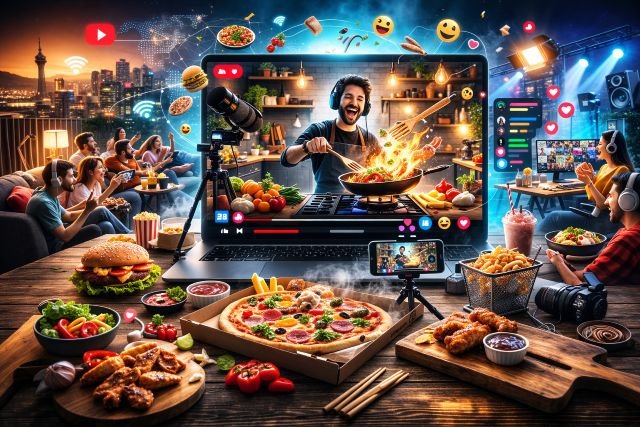
In recent years, stream eats have emerged as one of the most engaging trends in digital media, redefining how audiences consume both content and food culture. From live cooking sessions to mukbang-style broadcasts and interactive dining experiences, food streaming has evolved into a powerful form of online entertainment. Within the first few minutes of tuning in, viewers are not just watching someone eat or cook — they are participating in a shared, immersive experience.
- What Are Stream Eats?
- The Rise of Food Streaming in Digital Culture
- Why Stream Eats Are So Popular
- Types of Stream Eats Content
- How Stream Eats Are Changing Online Entertainment
- Content Marketing Impact
- Case Study: Twitch Food & Drink Category
- Challenges in Stream Eats
- Actionable Tips for Starting a Stream Eats Channel
- Future Trends in Stream Eats
- Frequently Asked Questions (FAQ)
- Conclusion: The Future of Stream Eats
As platforms like YouTube, Twitch, and TikTok continue to expand, stream eats are attracting millions of viewers daily. This growing trend blends storytelling, social interaction, and culinary creativity in ways that traditional food media never could. But what exactly is driving this phenomenon, and why is it reshaping the entertainment landscape?
What Are Stream Eats?
Stream eats refer to live or recorded online broadcasts centered around food-related content. This includes cooking tutorials, eating shows (like mukbang), food challenges, restaurant reviews, and even virtual dining experiences.
Unlike traditional cooking shows, stream eats prioritize real-time engagement. Viewers can comment, ask questions, and influence the content as it unfolds. This interactivity is a key factor behind their popularity.
For example, Twitch’s “Food & Drink” category has seen steady growth, with thousands of creators streaming everything from home cooking to professional culinary techniques. According to TwitchTracker, this category consistently attracts tens of thousands of concurrent viewers globally.
The Rise of Food Streaming in Digital Culture
From Mukbang to Mainstream
The roots of stream eats can be traced back to South Korea’s mukbang culture, where hosts eat large quantities of food while interacting with viewers. What started as a niche trend quickly became global.

Today, creators like Nikocado Avocado and Zach Choi have millions of subscribers, demonstrating how eating content can captivate massive audiences. The appeal lies in a mix of entertainment, curiosity, and emotional connection.
Pandemic-Driven Growth
The COVID-19 pandemic played a major role in accelerating the popularity of food streaming. With people stuck at home, online cooking and dining content surged.
A report by Statista showed a significant increase in video streaming consumption during 2020–2022, with food-related content ranking among the fastest-growing categories.
Why Stream Eats Are So Popular
1. Real-Time Interaction
One of the biggest advantages of stream eats is live engagement. Viewers can:
- Ask questions about recipes
- Suggest ingredients
- Interact directly with creators
This creates a sense of community that traditional TV cannot replicate.
2. Sensory Appeal
Food content naturally triggers visual and emotional responses. High-quality visuals, ASMR sounds, and storytelling make stream eats deeply immersive.
3. Accessibility
Anyone with a smartphone and internet connection can participate. Whether you’re a professional chef or a home cook, you can start streaming.
4. Cultural Exploration
Stream eats allow viewers to explore global cuisines from the comfort of their homes. Creators often introduce traditional dishes, cooking methods, and cultural stories.
Types of Stream Eats Content
Live Cooking Streams
These are educational and entertaining, often featuring step-by-step recipes. Platforms like YouTube Live and Facebook Live are popular for this format.
Mukbang and Eating Shows
Focused on consuming food, these streams emphasize personality, storytelling, and viewer interaction.
Food Reviews and Street Food Tours
Creators explore restaurants, street vendors, and food festivals, offering real-time reactions and recommendations.
Interactive Dining Experiences
Some streamers host virtual dinner sessions where viewers cook and eat along with them.
How Stream Eats Are Changing Online Entertainment
Blurring the Line Between Creator and Audience
In traditional media, the audience is passive. With stream eats, viewers actively shape the content. This shift is redefining entertainment as a collaborative experience.
New Revenue Streams
Food streamers monetize through:
- Sponsorships and brand deals
- Donations and subscriptions
- Affiliate marketing
According to Influencer Marketing Hub, influencer marketing — including food creators — is projected to exceed $20 billion globally.
Rise of Food Influencers
Stream eats have created a new category of influencers who combine culinary skills with entertainment. These creators often collaborate with brands, restaurants, and food delivery services.
Content Marketing Impact
Food Content as a Traffic Driver
Food-related keywords are among the most searched topics online. Businesses are leveraging stream eats to:
- Increase brand visibility
- Drive website traffic
- Improve SEO rankings
Integration with E-commerce
Many streamers link directly to ingredients, kitchen tools, or meal kits. This seamless integration boosts conversions and enhances user experience.
Case Study: Twitch Food & Drink Category
Twitch’s Food & Drink category is a prime example of how stream eats are evolving.
Creators like Chef John and other culinary streamers host live sessions where viewers:
- Learn recipes in real time
- Participate in Q&A sessions
- Engage in cooking challenges
This format has turned cooking into a social event rather than a solitary activity.
Challenges in Stream Eats
Content Saturation
With the rise of food streaming, competition is increasing. Creators must find unique angles to stand out.
Health Concerns
Mukbang-style content has faced criticism for promoting overeating. Responsible content creation is becoming increasingly important.
Technical Barriers
High-quality streaming requires good equipment, stable internet, and production skills.
Actionable Tips for Starting a Stream Eats Channel
Find Your Niche
Focus on a specific area such as:
- Vegan cooking
- Street food exploration
- Budget meals
Invest in Quality Production
Good lighting, clear audio, and high-resolution video can significantly improve viewer retention.
Engage with Your Audience
Respond to comments, ask questions, and involve viewers in your content.
Be Consistent
Regular streaming schedules help build a loyal audience.
Future Trends in Stream Eats
Integration with AR and VR
Virtual reality dining experiences could take stream eats to the next level, allowing users to feel like they are physically present.
AI-Powered Recommendations
Platforms are increasingly using AI to suggest personalized food content.
Collaboration with Food Delivery Services
Live streams may soon allow viewers to order the exact meals being prepared or eaten in real time.
Frequently Asked Questions (FAQ)
What are stream eats?
Stream eats are live or recorded online broadcasts focused on food-related content, including cooking, eating, and food reviews.
Why are food streams so popular?
They combine entertainment, education, and real-time interaction, making them highly engaging and accessible.
Can you make money from stream eats?
Yes, through sponsorships, ads, donations, and affiliate marketing.
Which platforms are best for food streaming?
YouTube, Twitch, TikTok, and Facebook Live are among the most popular.
Conclusion: The Future of Stream Eats
The rise of stream eats marks a significant shift in how we experience food and entertainment online. By combining interactivity, storytelling, and culinary creativity, this trend is redefining digital media.
As technology continues to evolve, stream eats will likely become even more immersive and personalized. Whether you’re a viewer, creator, or brand, understanding this trend offers valuable opportunities to connect, engage, and grow in the digital space.